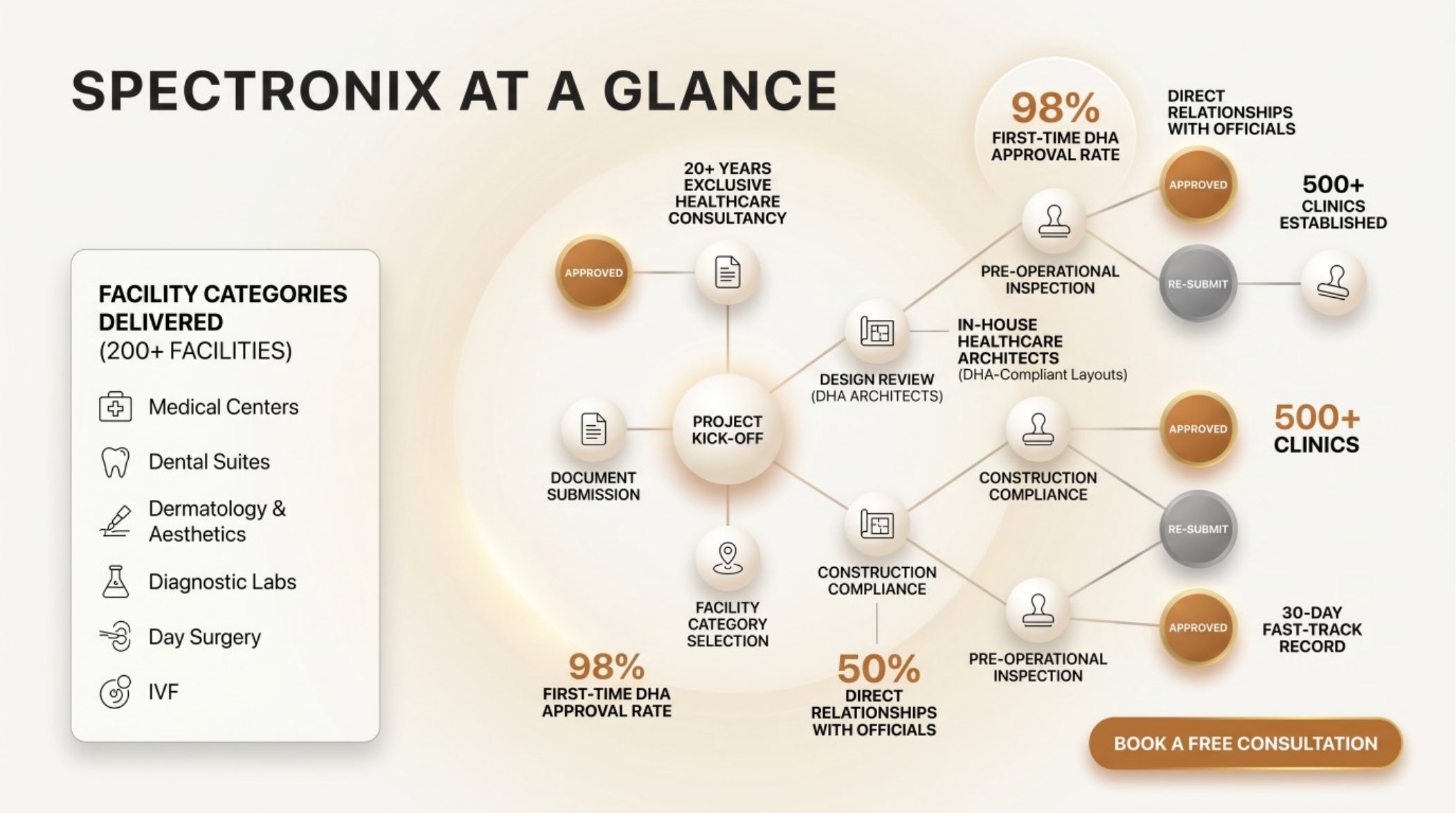
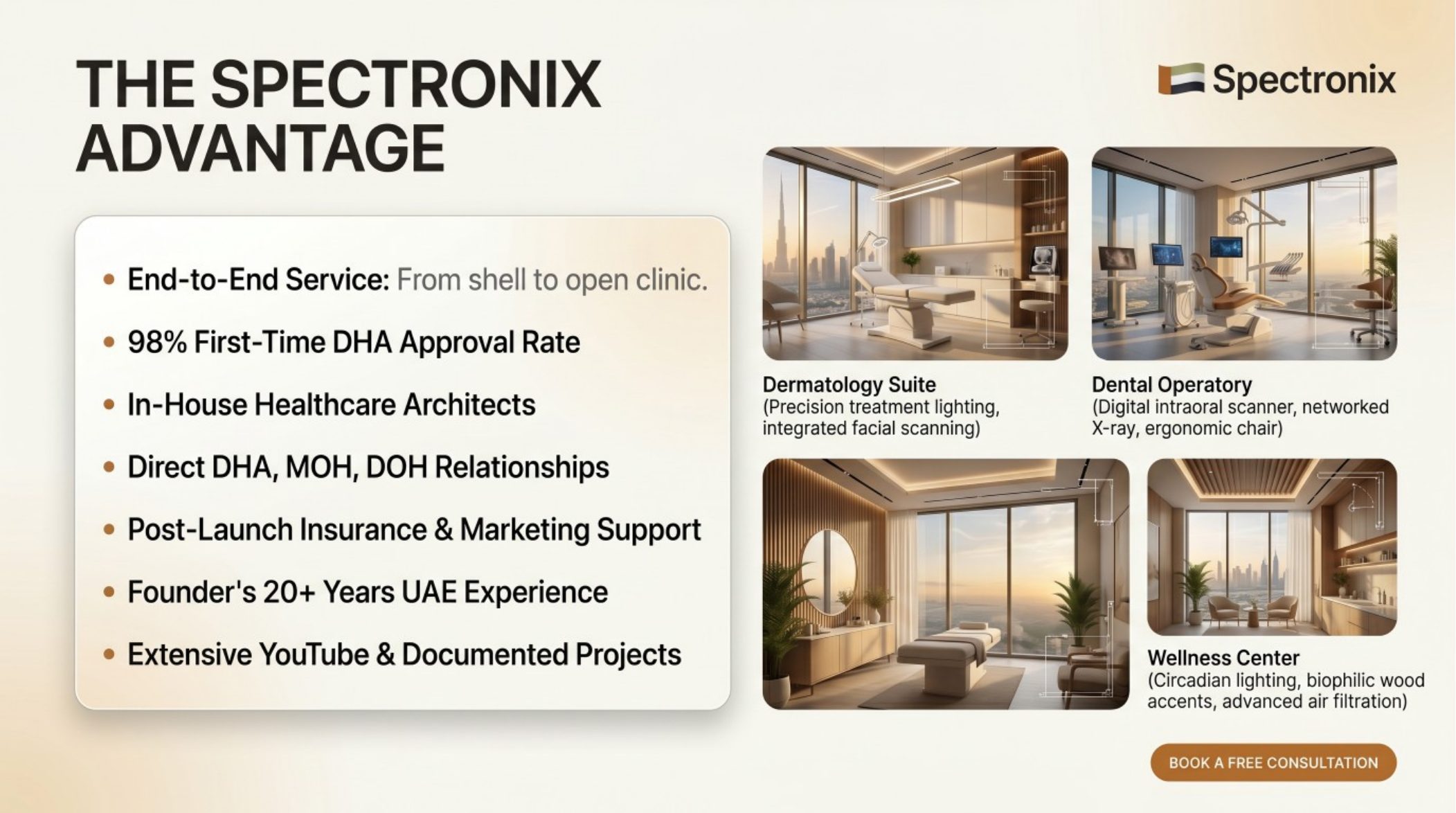
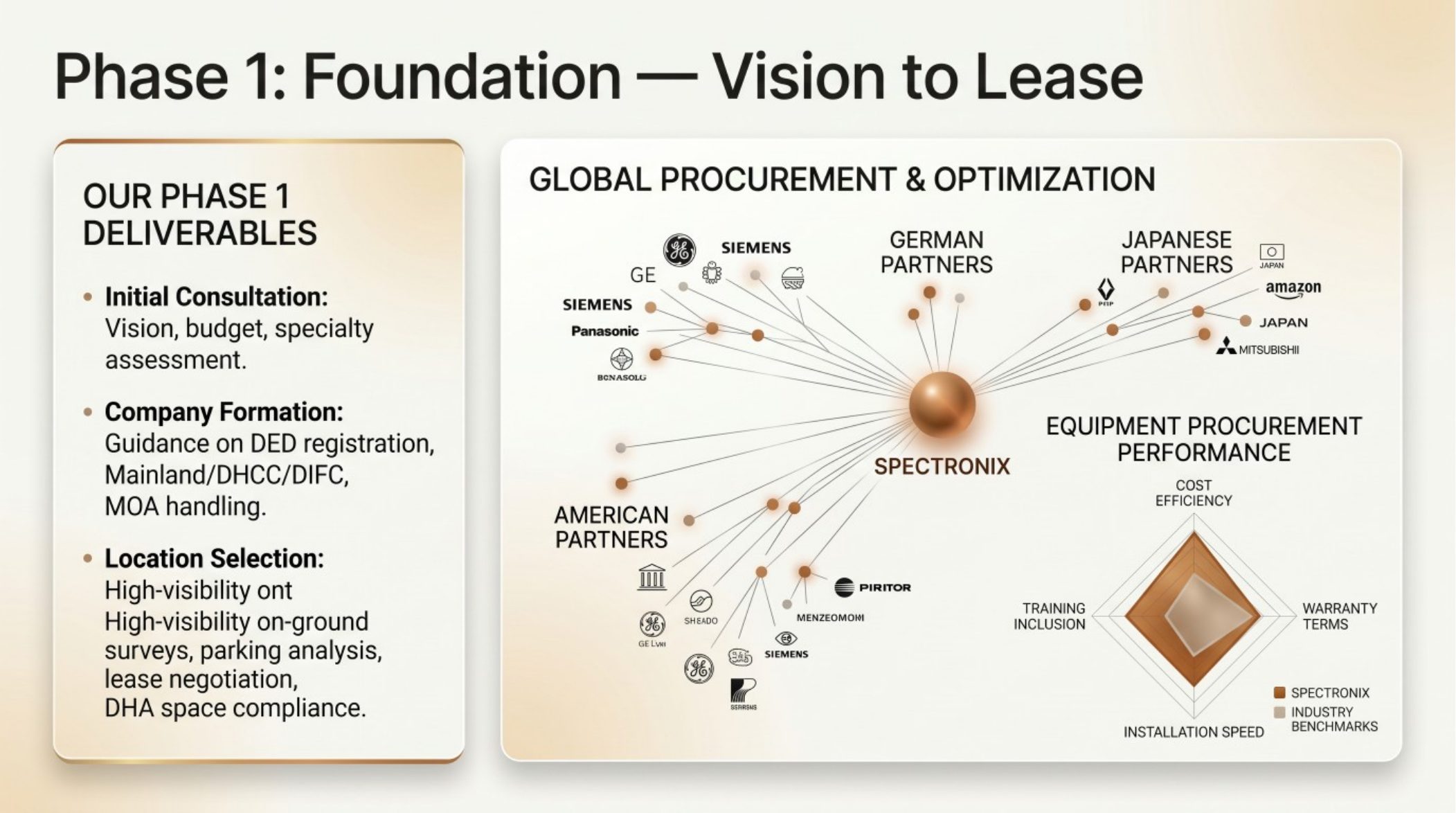
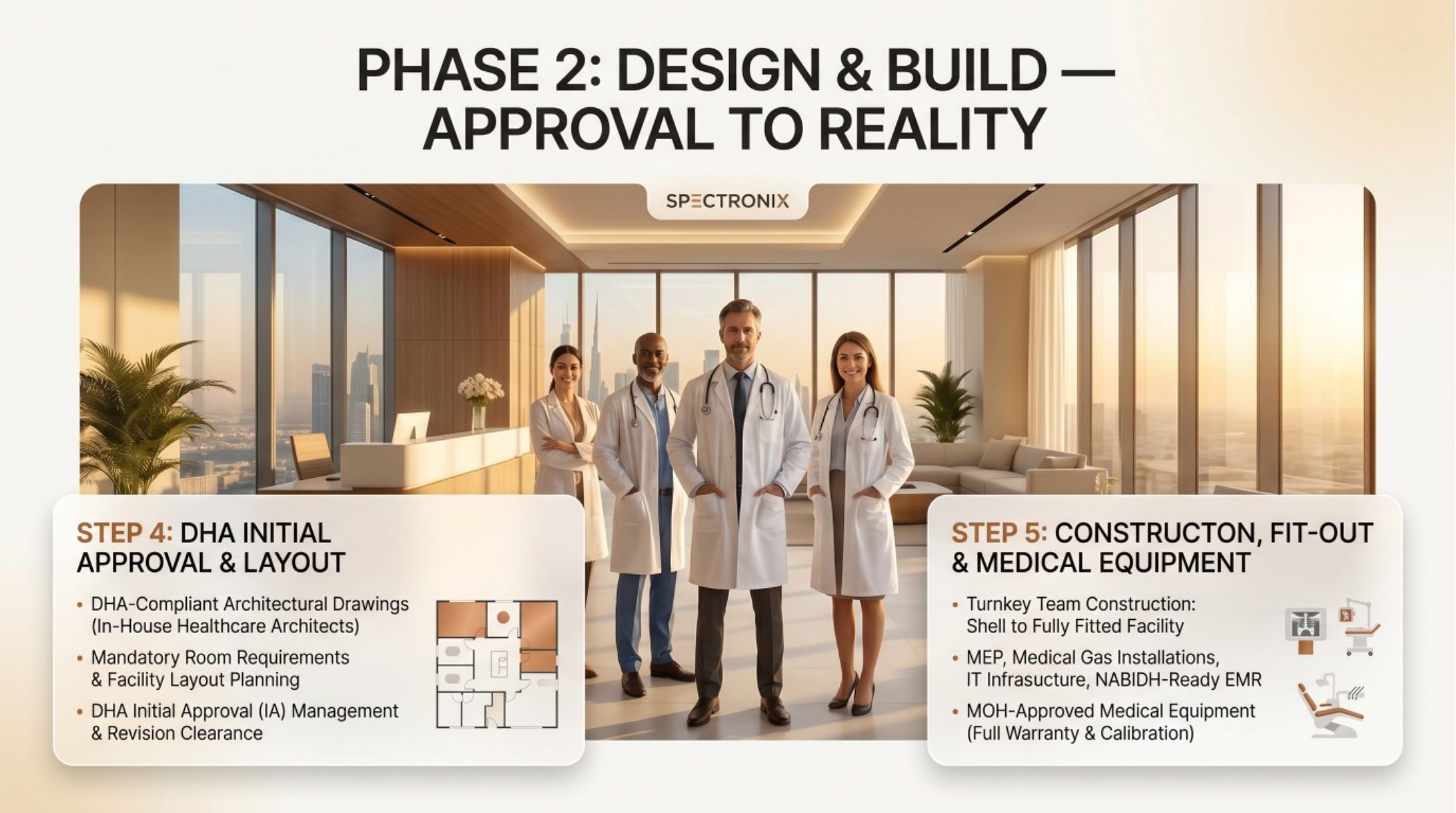
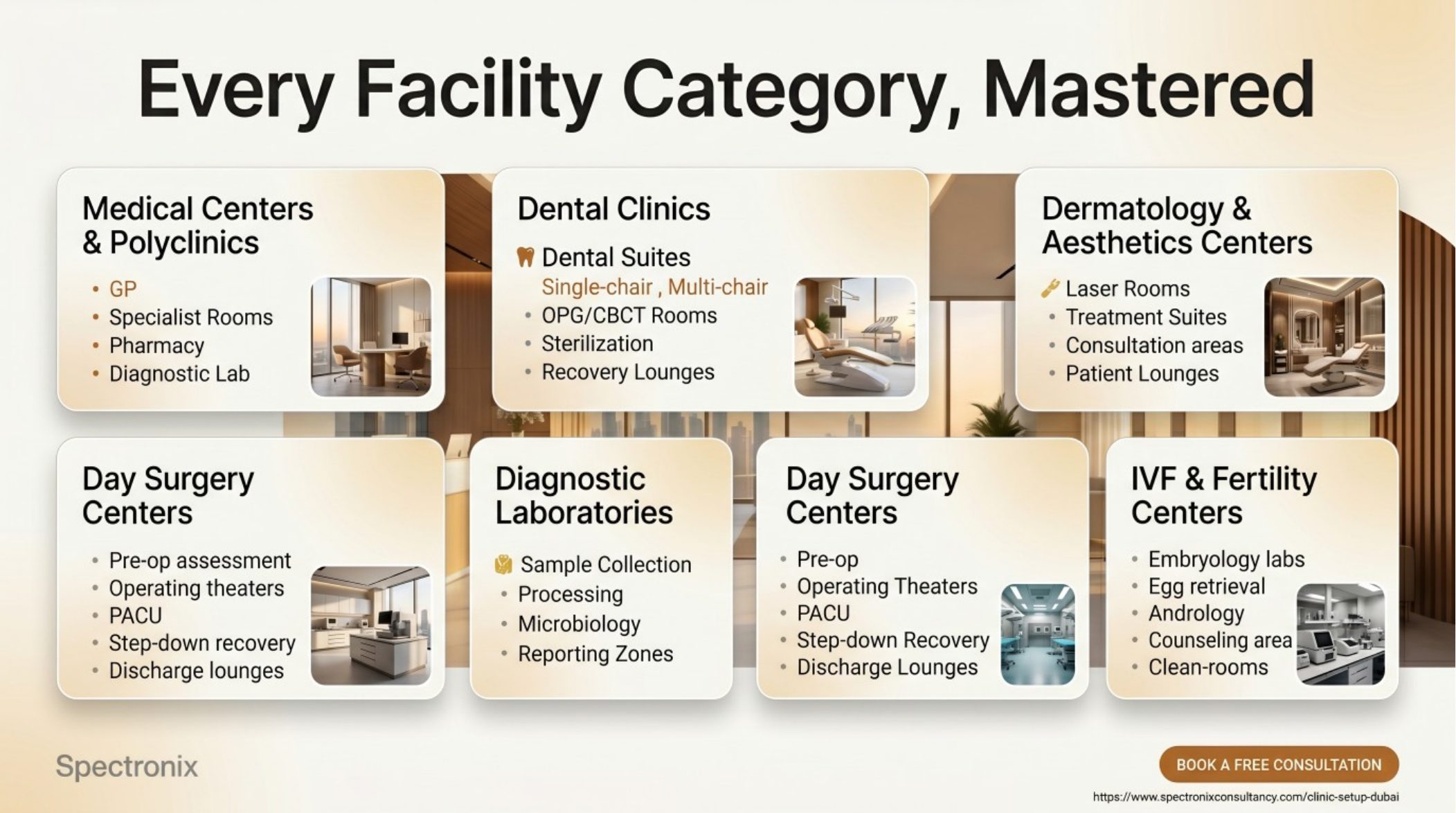
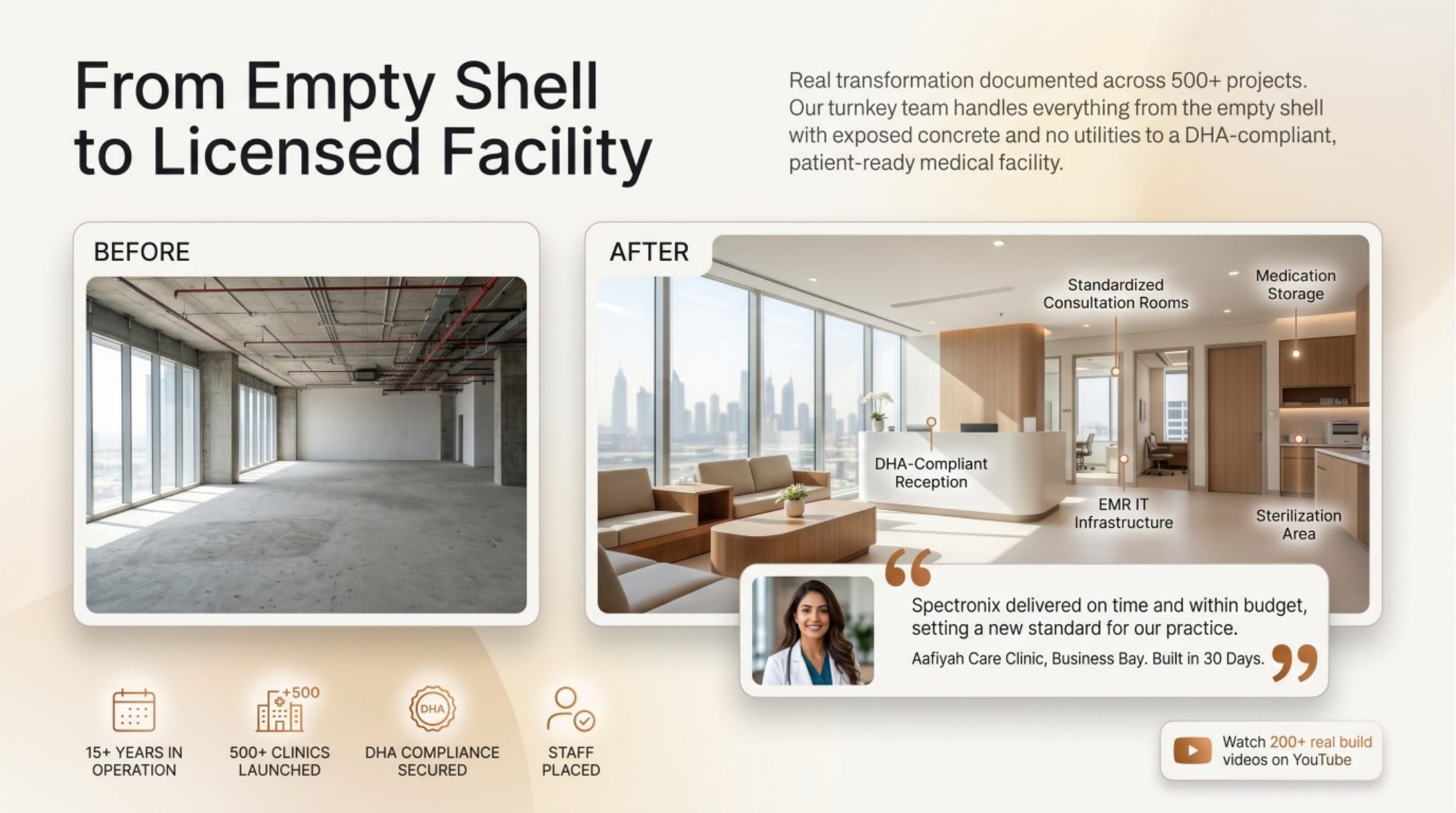
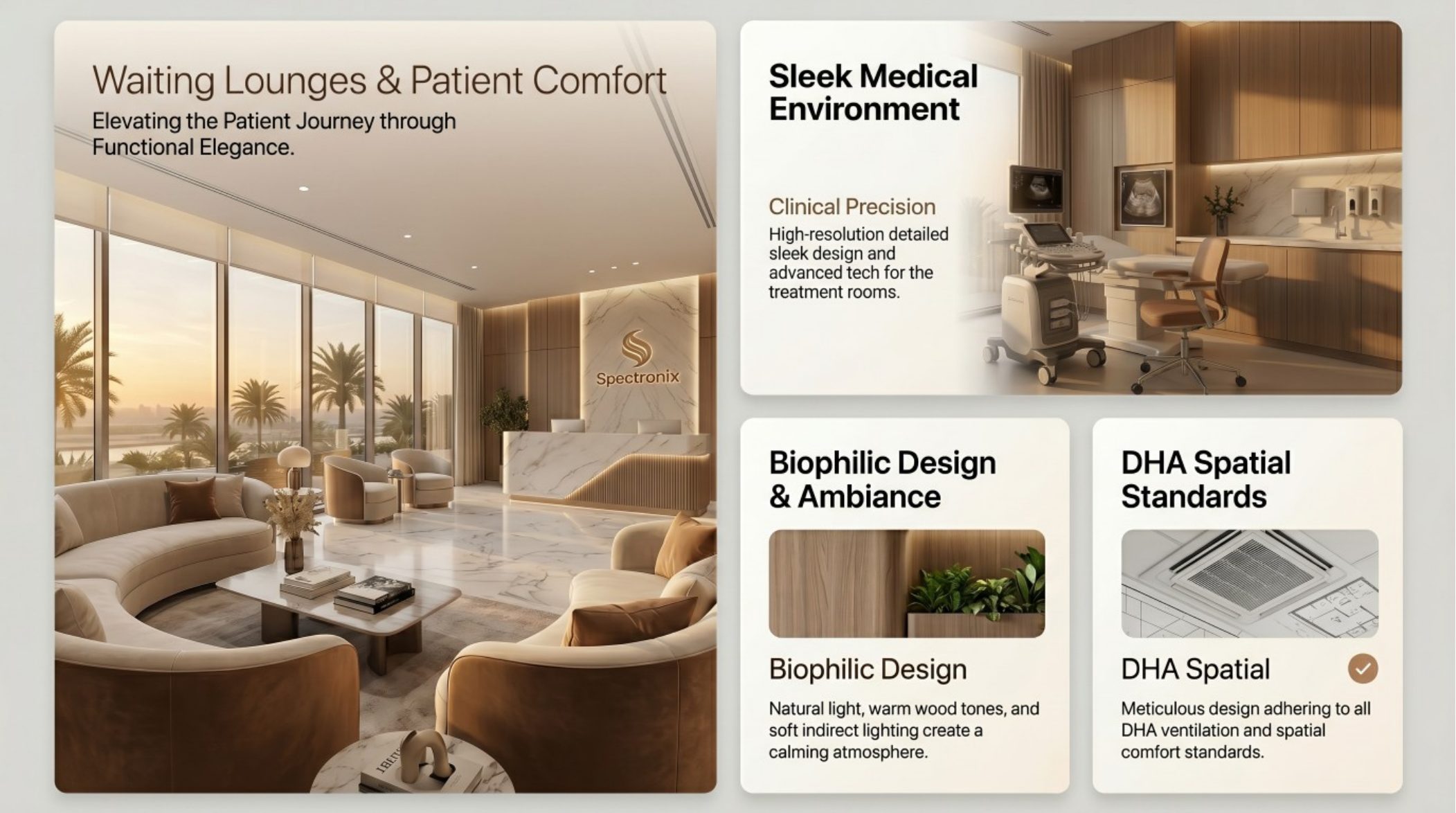
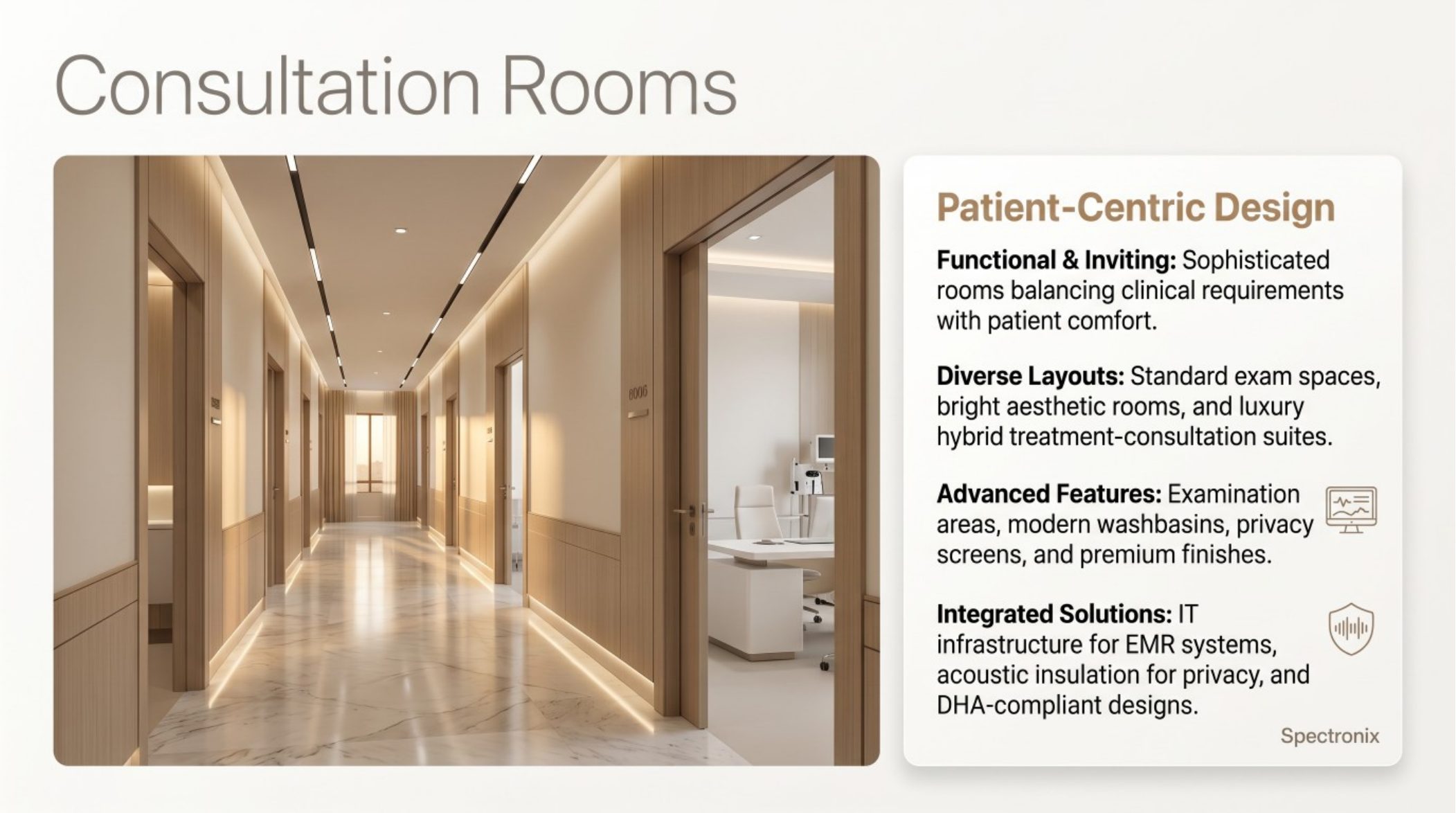
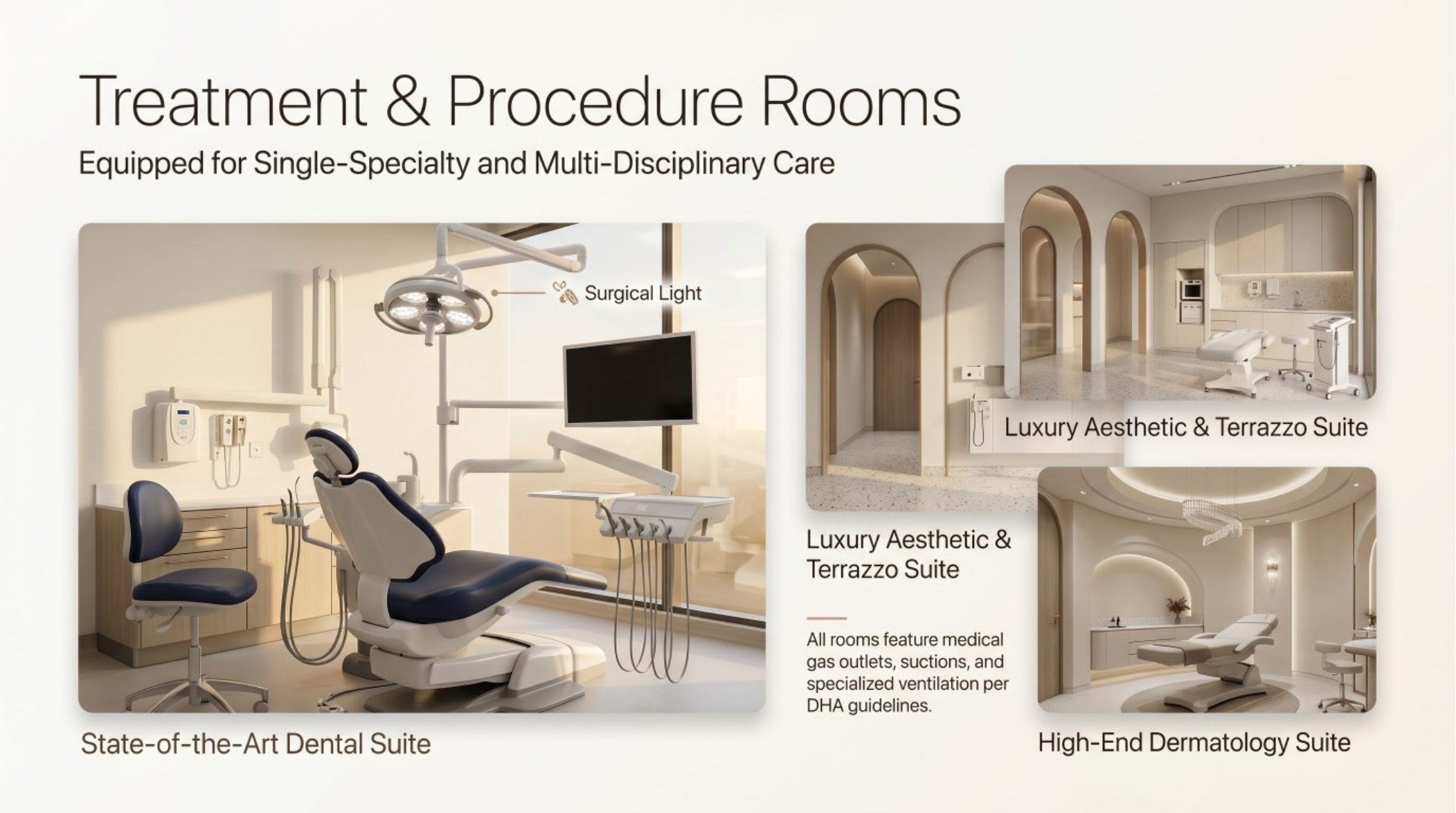
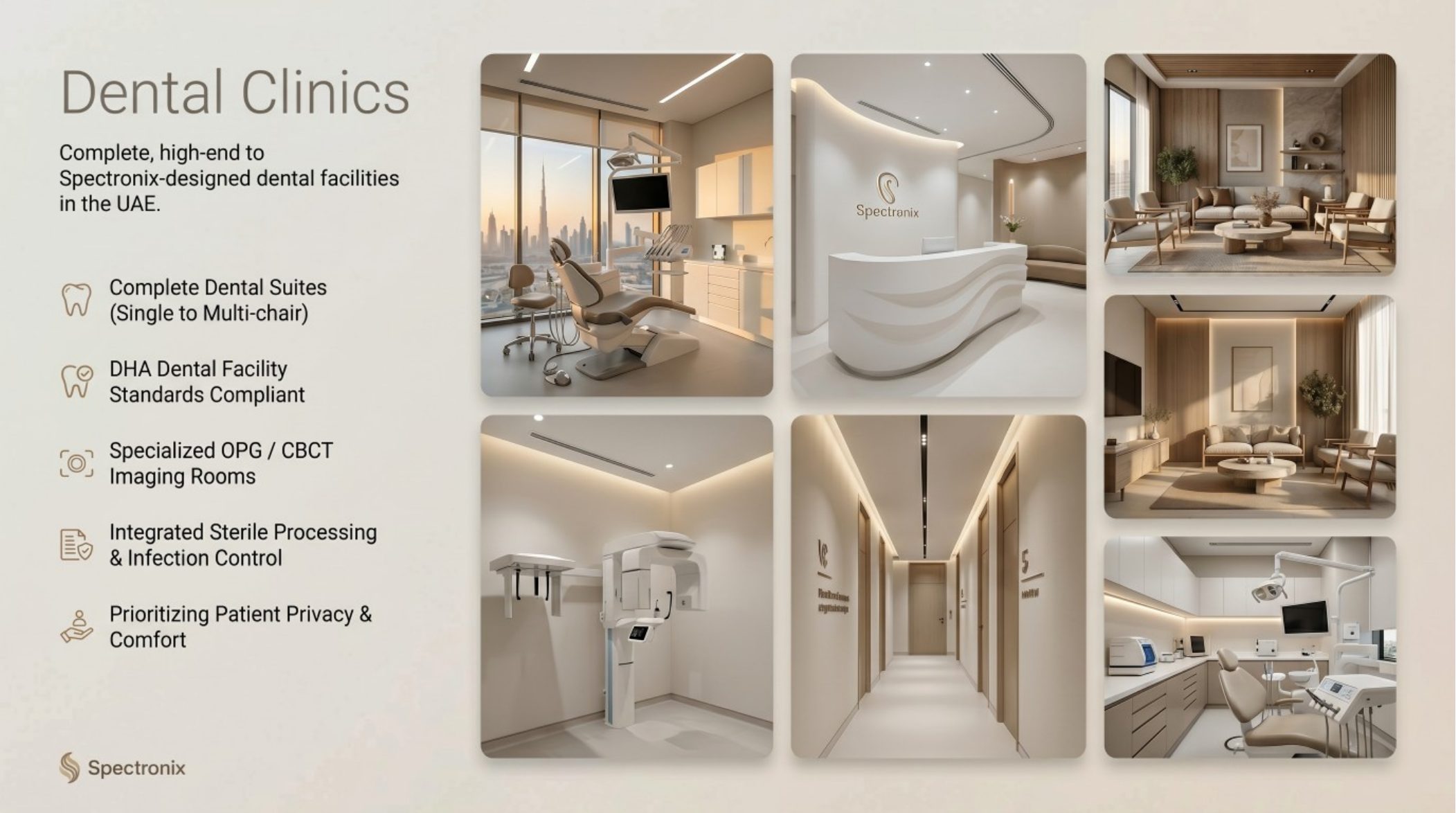
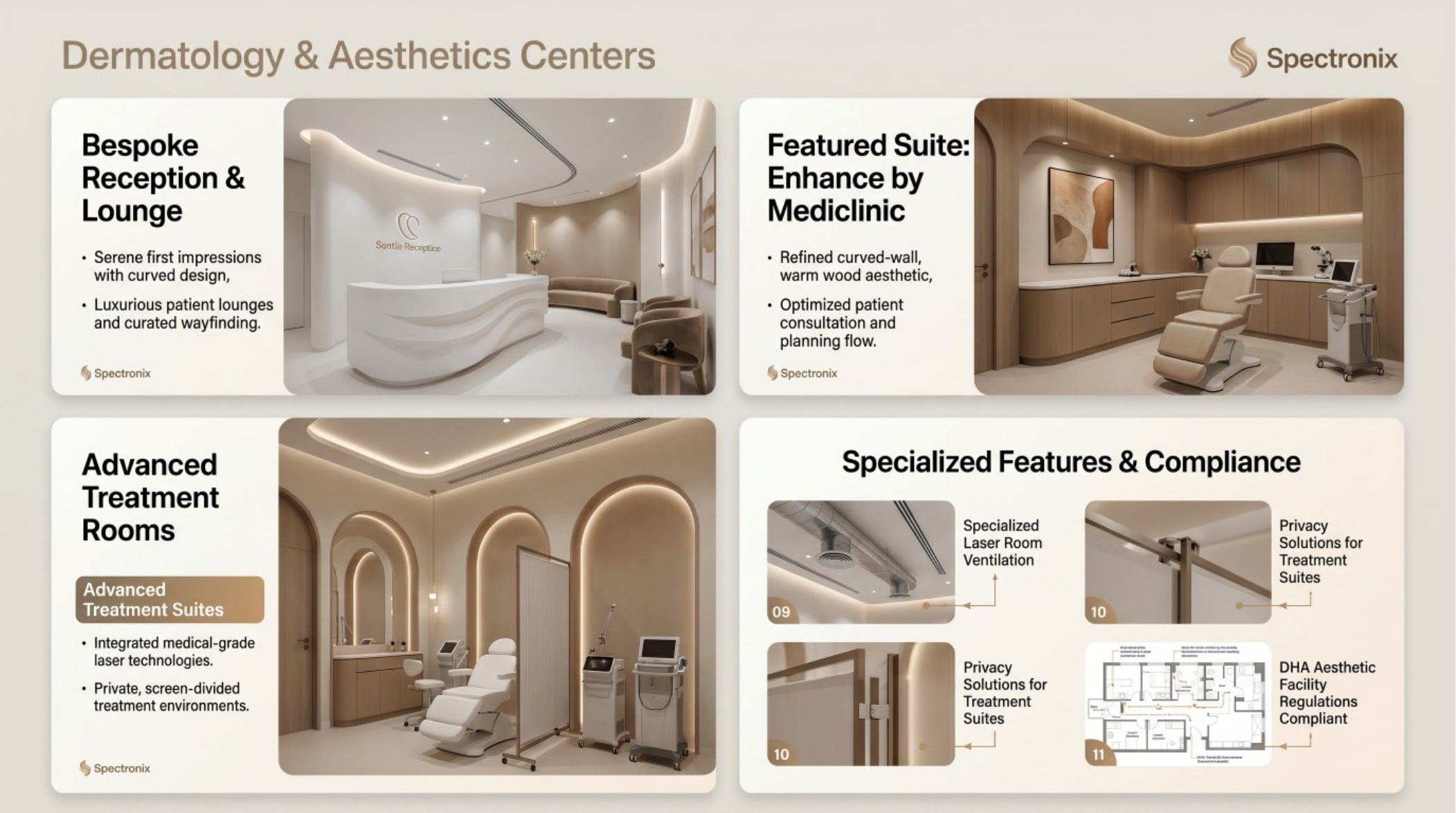
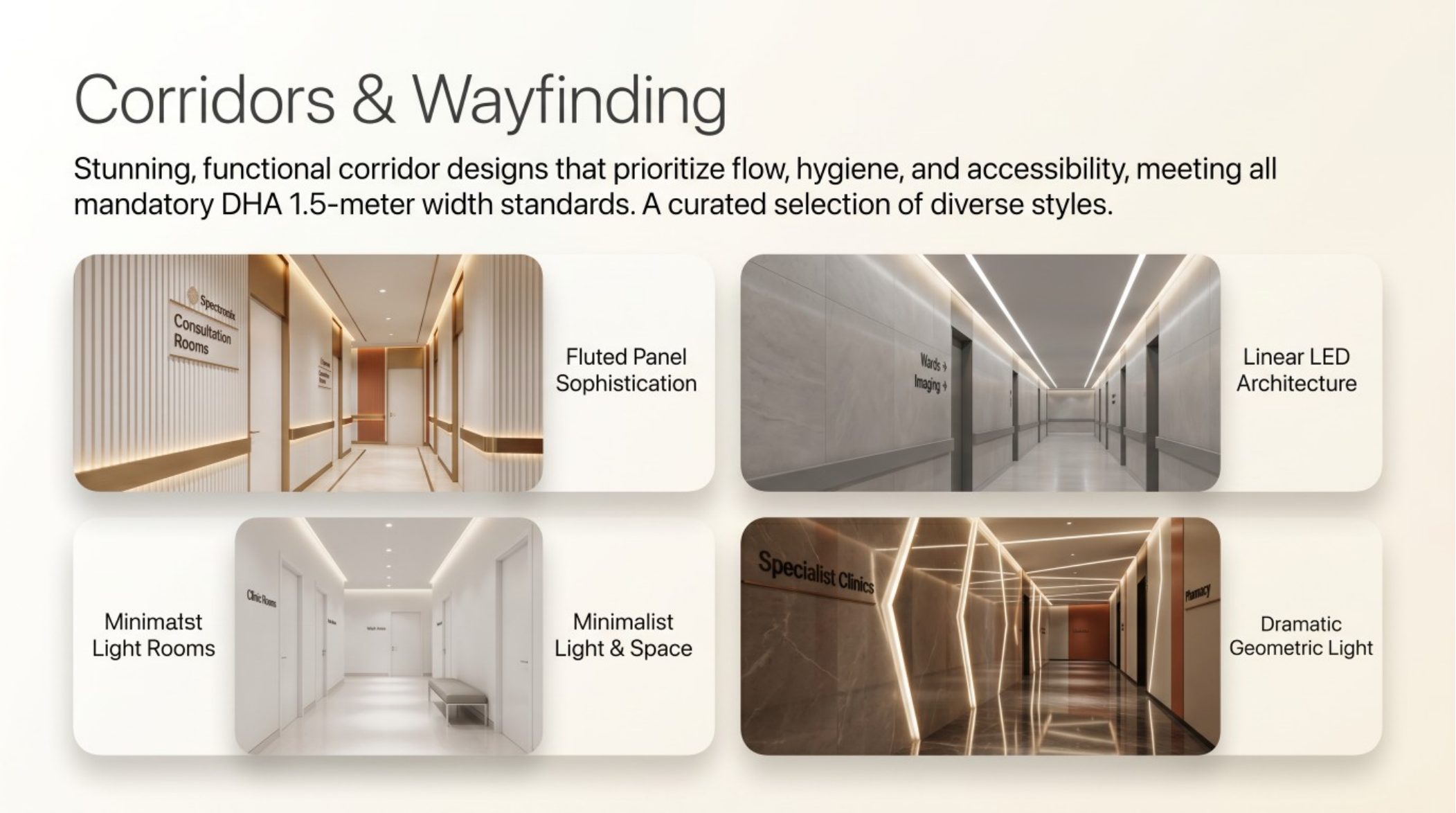
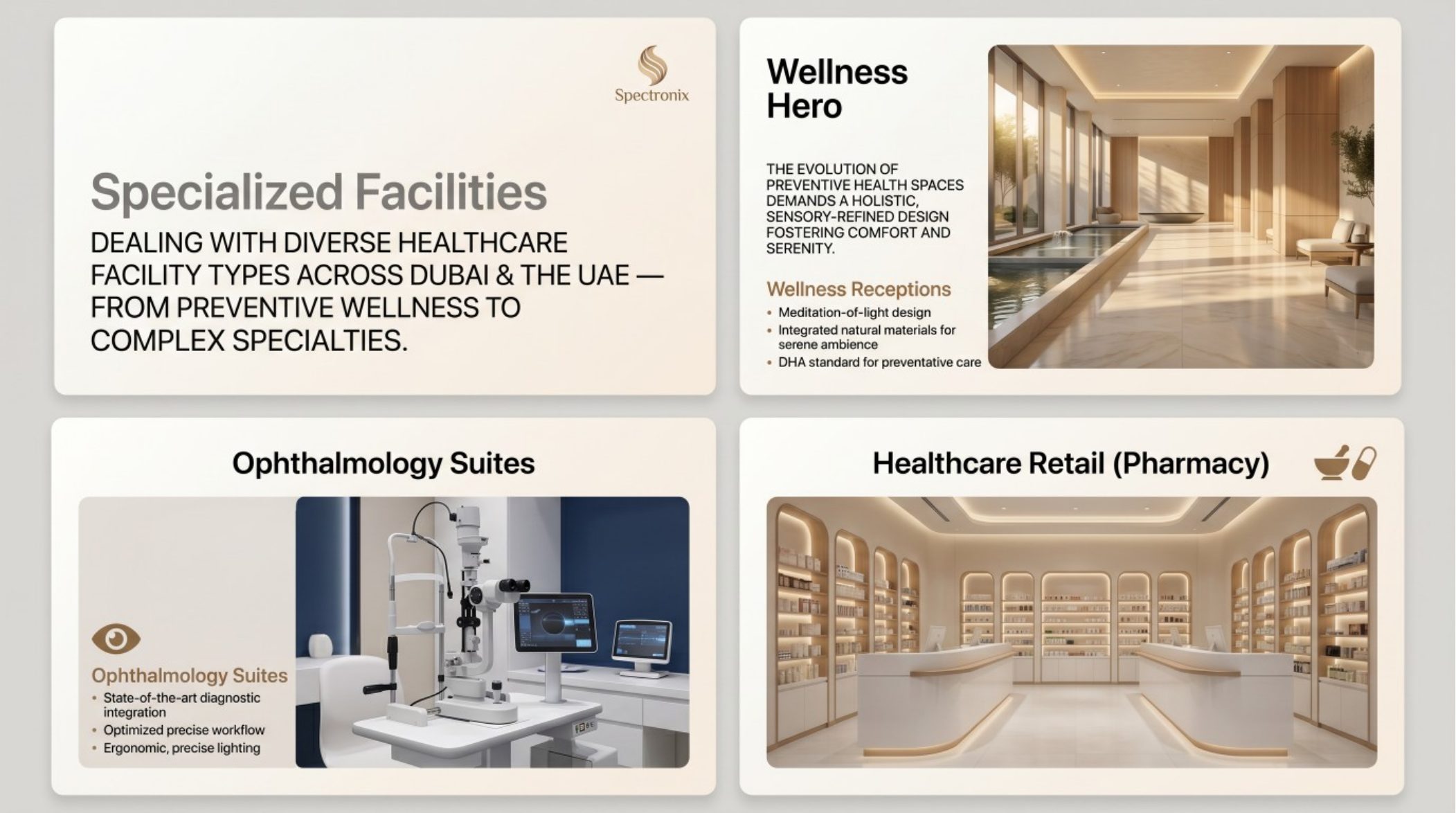
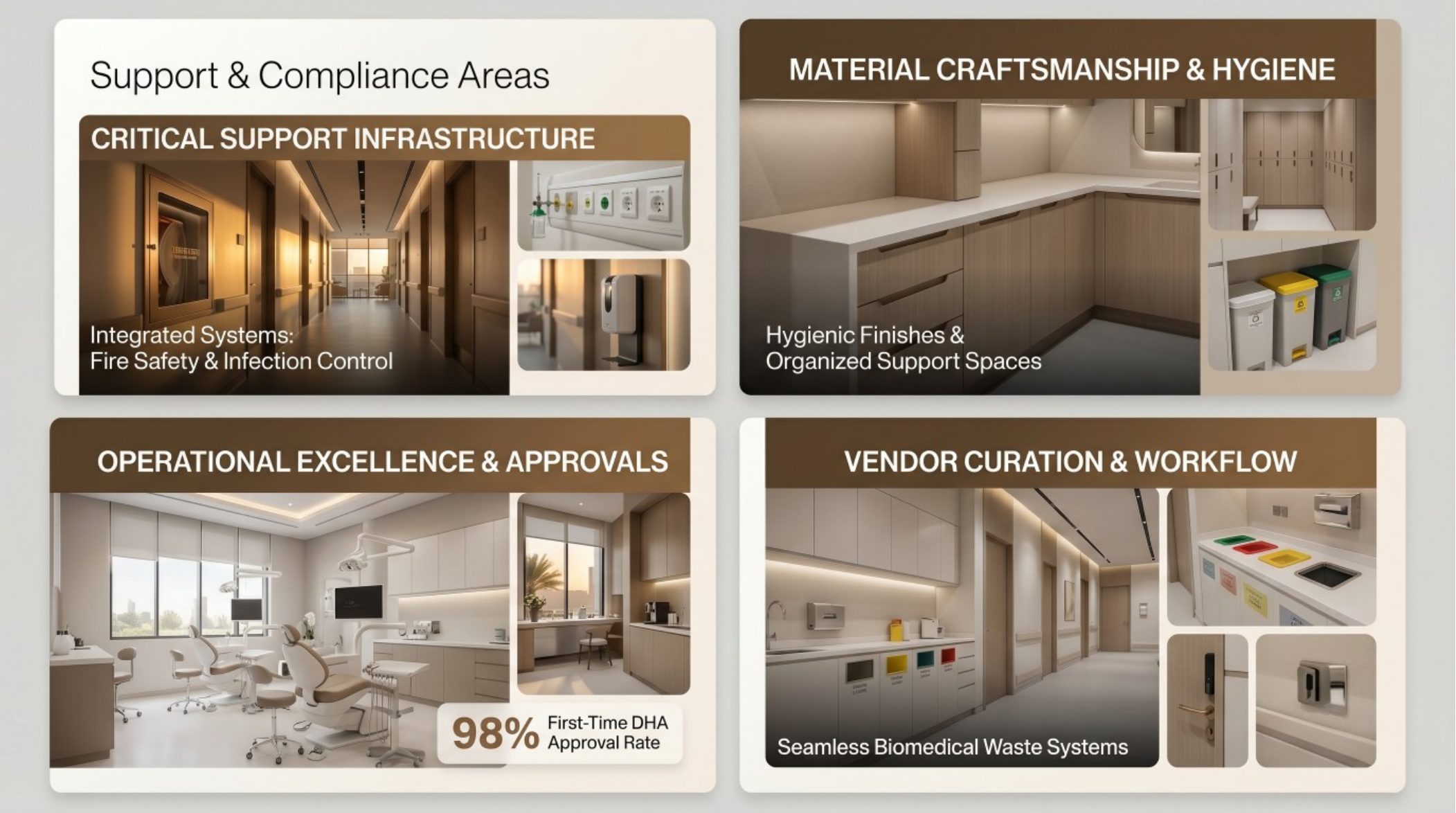
Opening a clinic in Dubai is one of the most rewarding moves a healthcare professional or investor can make, but it is a tightly regulated, multi-stage project involving three separate authorities (DET, DHA and Civil Defence), a technical fit-out to strict clinical standards, and licensing at both the facility and the individual practitioner level. This 2026 guide walks through every phase — from trade licence and DHA facility licensing to layout approval, fit-out, inspection and activation — with the cost drivers, dependencies and practical detail that help owners plan a project-specific route. Licensed in Dubai since 2008, Spectronix supports turnkey clinic projects from empty shell through facility licensing and operational handover, and specialises in the complex cases — DHCC-to-mainland transfers, day-surgery fit-outs, insurance-heavy business models and stalled files where a previous consultant has lost momentum with the regulator.
Mainland (DHA) vs free zone (DHCC / Dubai Science Park)
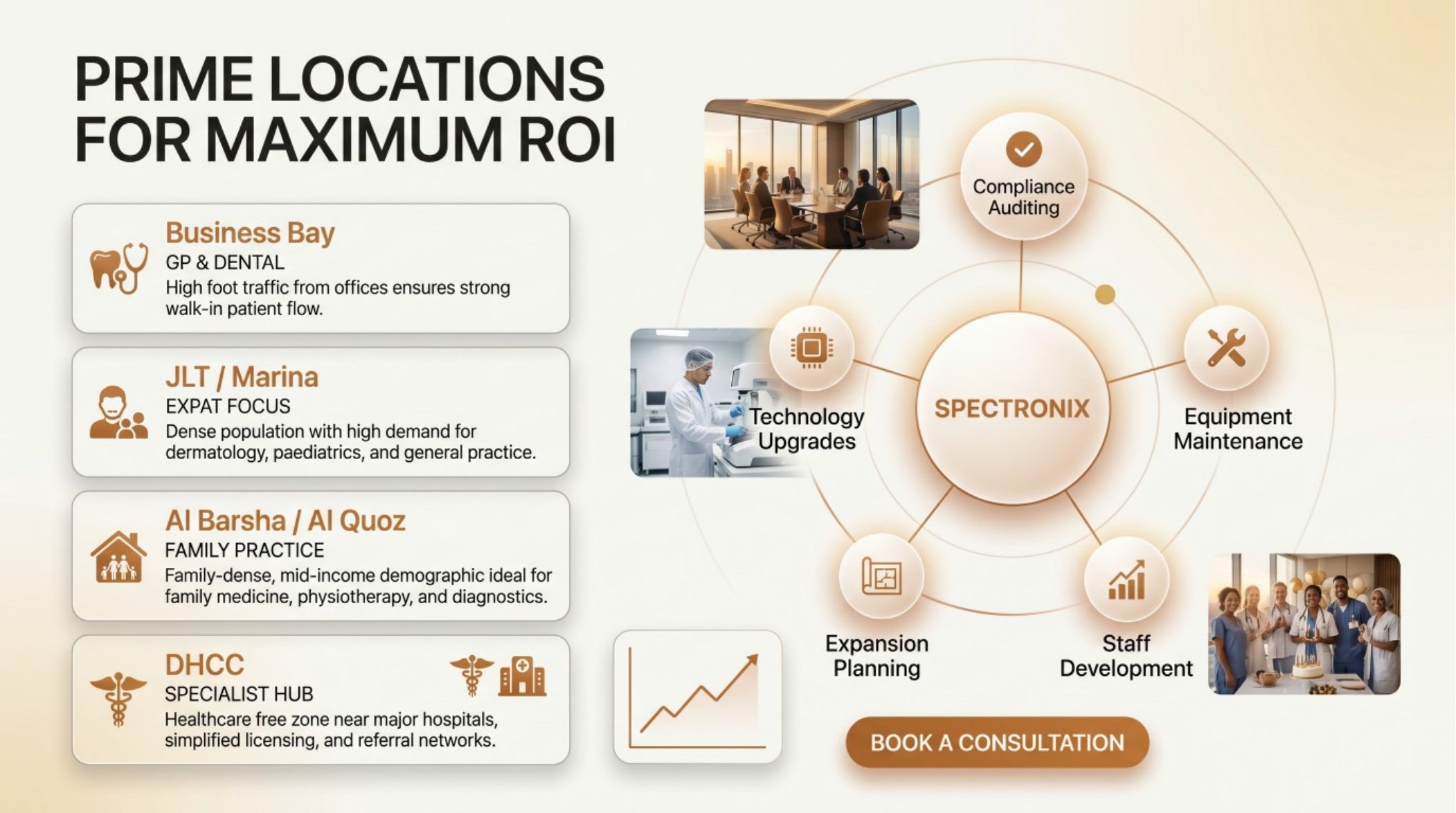
The single biggest structural decision is where to license. Mainland Dubai clinics are regulated by the DHA under the Sheryan system and can empanel directly with the full Dubai insurance market — Daman, NAS, AXA, MetLife, Cigna, Allianz, Oman Insurance, Neuron, Nextcare and the smaller TPAs. Mainland now permits 100% foreign ownership for healthcare activities, so a local partner is no longer required. Most clinics targeting the mass insured population choose mainland for exactly this reason: wider catchment, wider payor mix, simpler patient acquisition.
Dubai Healthcare City (DHCC) is a healthcare free zone with its own regulator (DHCR), its own facility and professional licensing pathway, 100% ownership and clustered infrastructure near major hospitals — good for referral-driven specialists (fertility, oncology-adjacent care, complex dental, cosmetic surgery) who benefit from proximity and prestige. Insurance empanelment in DHCC is narrower and often routed through DHCC-specific networks, which is a real consideration for a high-volume GP or paediatric model. Dubai Science Park suits research-adjacent, wellness, aesthetics and diagnostic businesses. See our detailed DHA licensing requirements and process for the full facility-licensing pathway and how the two regimes compare in practice.
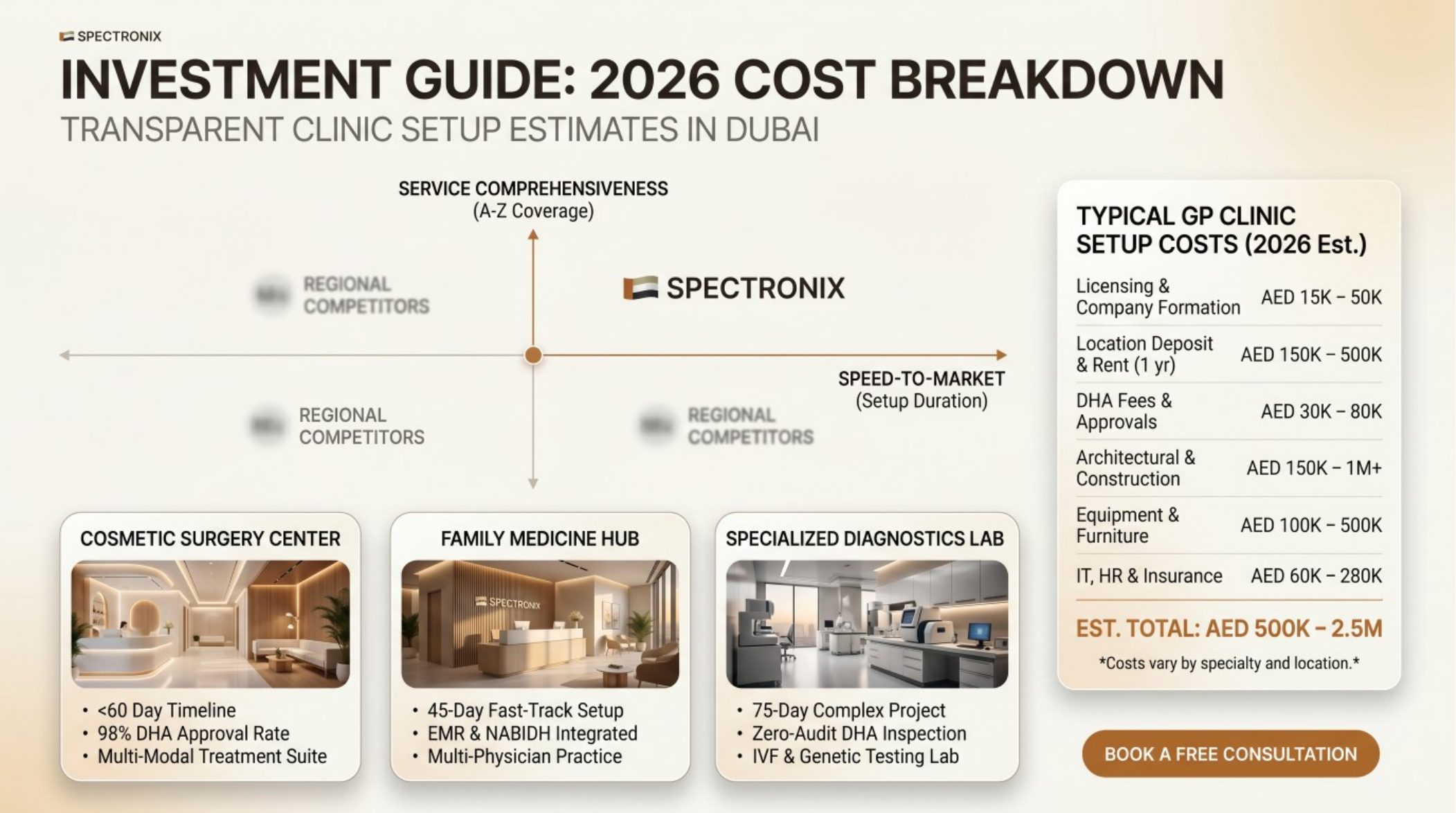
The full step-by-step setup process and an itemised cost breakdown follow further down this page: clinic setup process and clinic setup cost in Dubai.
Clinic setup timeline
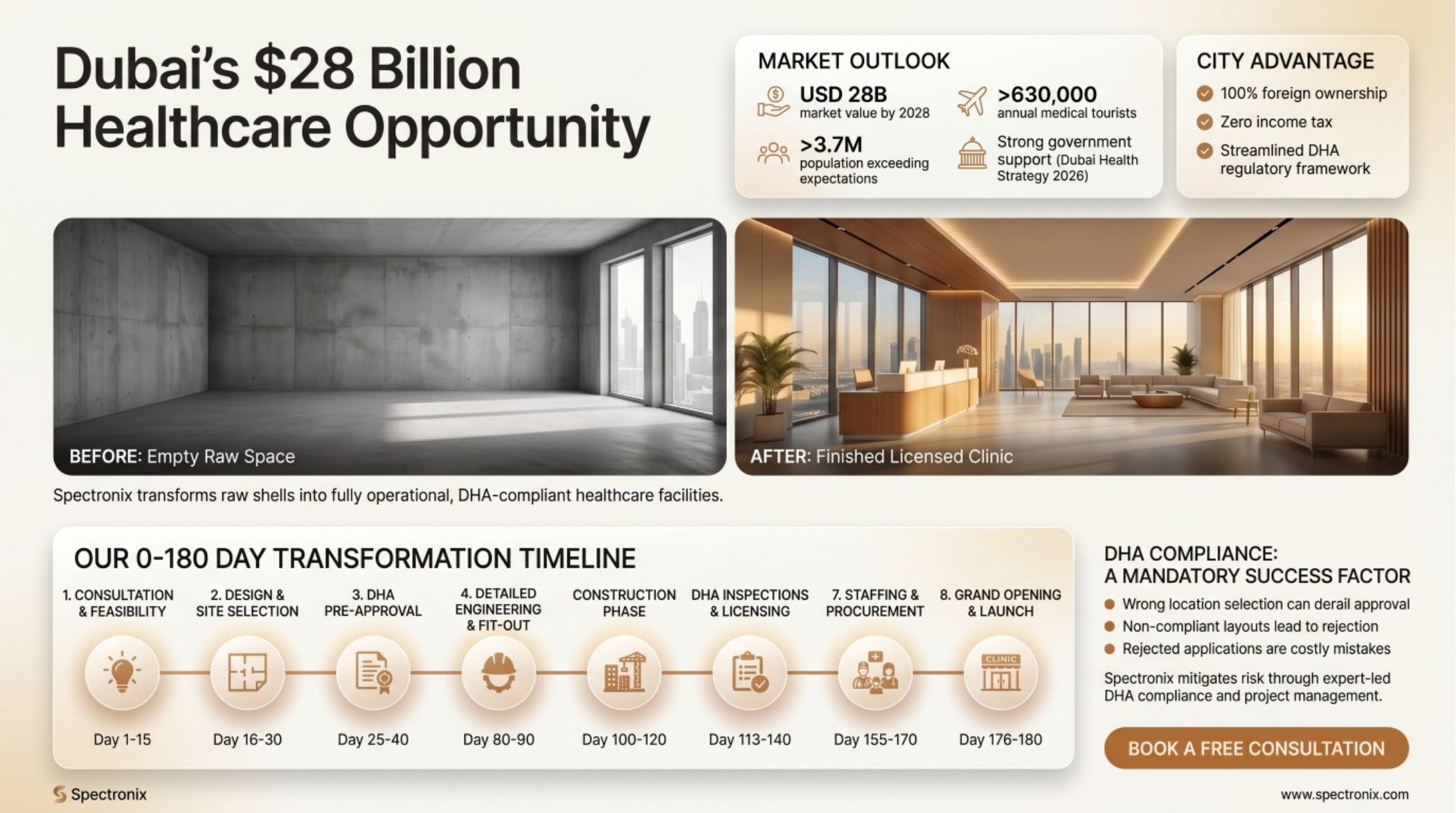
There is no universal clinic-setup duration. The sequence includes feasibility, company and activity setup, facility application, layout review, fit-out, equipment, staff licensing, inspection and activation. Timing depends on authority review cycles, revisions, premises readiness and project complexity. A milestone plan is prepared after the site and service scope are assessed.
The turnkey advantage
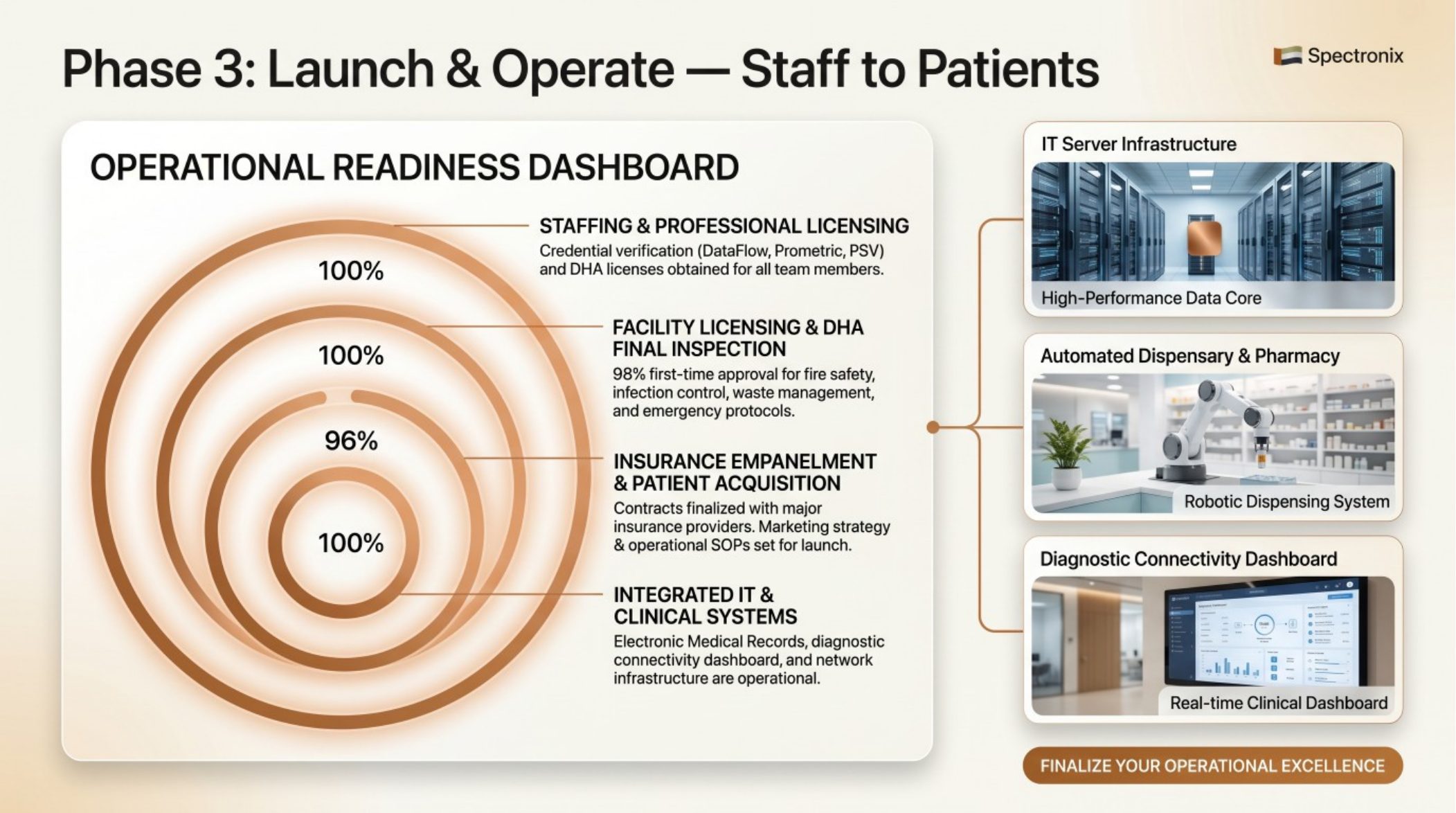
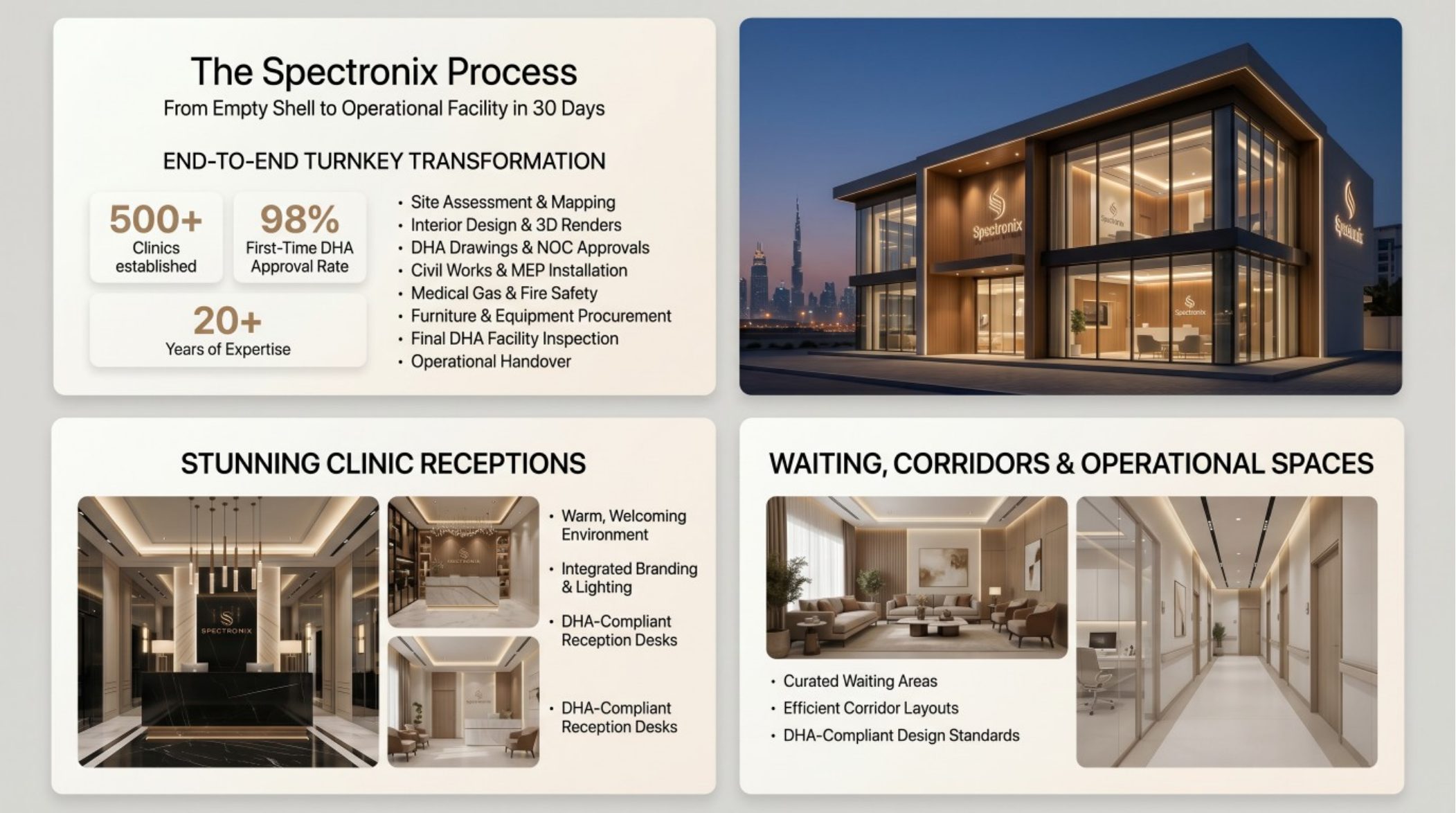
Coordinating DET, DHA, Civil Defence, contractors, equipment vendors and staff licensing separately is where timelines slip and budgets balloon. When five suppliers point at each other, the owner absorbs the delay in rent and lost revenue. A turnkey clinic setup puts one accountable partner in charge so approvals run in parallel with design and construction, the fit-out is designed to DHA standards from the start, equipment procurement is aligned to DHA activation, and staff licensing is already underway when the facility licence activates. Post-activation, we also handle insurance empanelment with Daman, NAS, AXA, MetLife and the wider Dubai payor network so you can bill from day one rather than month three.
Why Spectronix
Licensed in Dubai since 2008, our team understands the documentation, layout and inspection-readiness requirements that commonly affect clinic projects. We sequence licensing, design, fit-out and staff preparation together, helping owners identify avoidable compliance gaps before the final inspection.
Thinking about opening a clinic in Dubai?
Request an initial consultation and a project-specific scope, budget framework and milestone plan.