Verified client feedback · 4.6 from 125 Google reviews · verified 31 July 2026
Dubai vs Abu Dhabi Healthcare Business: 2026 Comparison
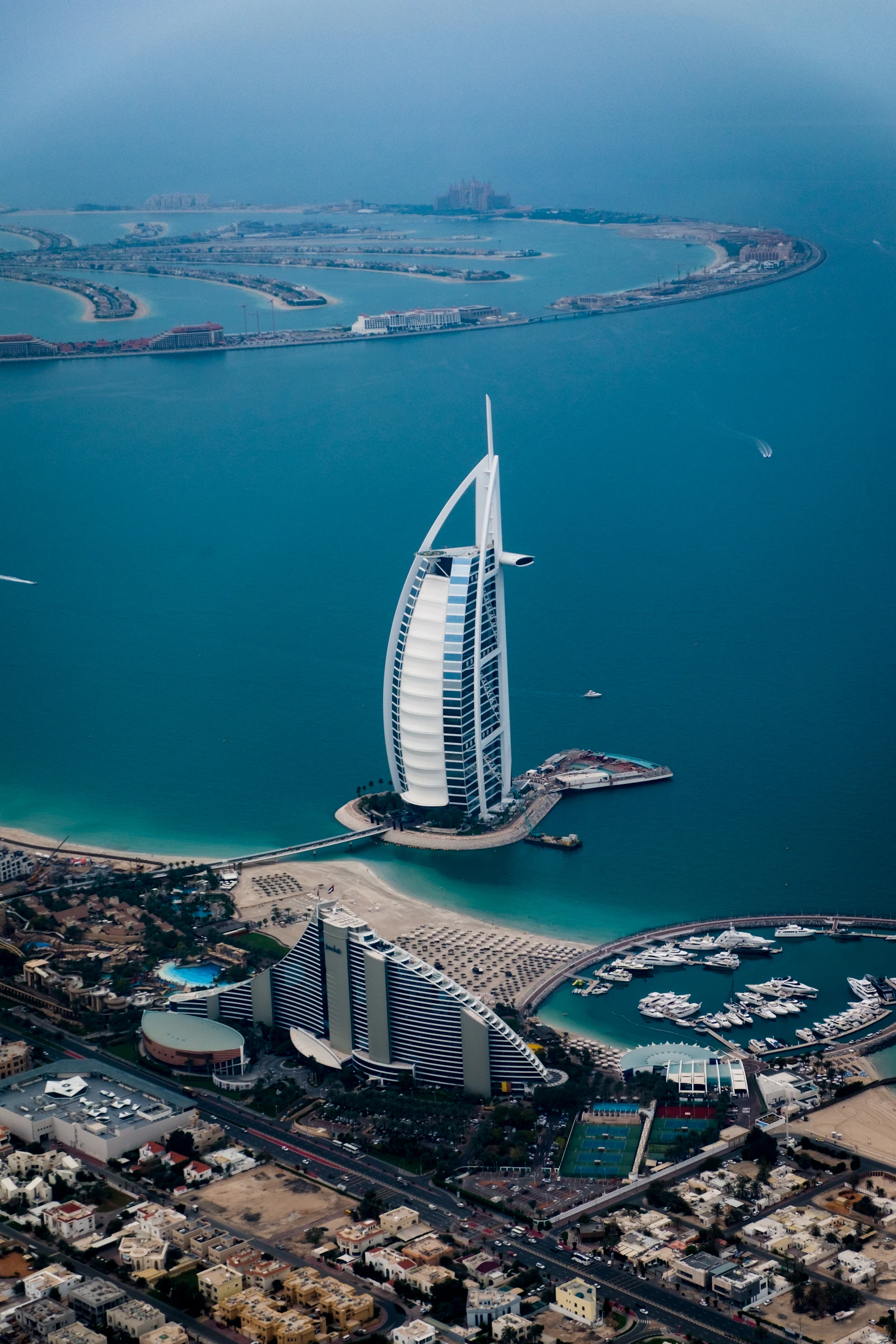
Dubai vs Abu Dhabi healthcare business: 2026 costs, timelines, DHA vs DOH rules, locations, and ROI. Data-backed tables, checklists, and a real case study.
Dubai vs Abu Dhabi Healthcare Business: 2026 Comparison
Thinking about opening a clinic, day surgery, diagnostics center, or specialty practice in the UAE? This is the one-page you need. In this straight-talking 2026 guide, we compare the Dubai vs Abu Dhabi healthcare business decision using current fees, timelines, and regulatory rules. You’ll see where demand is growing, how DHA vs DOH Abu Dhabi approvals differ, and the real CAPEX/OPEX bands operators are committing this year. If you want help after reading, Spectronix Healthcare Consultancy in Al Barsha 1, Dubai is on-call at +971 56 877 1044 and info@spectronixgroup.com.
Pro tip: Bookmark the shareable link to this page: /dubai-vs-abu-dhabi-healthcare-business
Executive Summary: Dubai vs Abu Dhabi healthcare business in 2026
The “Dubai vs Abu Dhabi healthcare business” choice comes down to your model, payer strategy, and speed to market. Both Emirates are strong, but they reward different plays.
Who should choose Dubai
- Operators targeting private insurance and self-pay, expatriate families, and medical tourism.
- Brands prioritizing speed to license under DHA or DHCC, flexible marketing, and visible retail locations.
- Differentiated outpatient offerings: dental chains, aesthetic dermatology, physiotherapy, GP/family medicine, IVF, and day surgeries with high-margin elective lines.
Who should choose Abu Dhabi
- Providers aiming for population health contracts, corporate and government payer access (notably Daman and Thiqa), and high Emirati utilization.
- Models needing predictable payer rules under DOH Abu Dhabi, with strong primary care, cardiology, orthopedics, and dialysis.
- Operators ready to align with Malaffi data standards and DOH quality KPIs for bonus payouts and fewer denials.
Key numbers at a glance (2026)
- New standalone clinic license time: Dubai 8–14 weeks (DHA/DHCC), Abu Dhabi 10–16 weeks (DOH). Fitout adds 6–10 weeks in both.
- All-in CAPEX for a 6-room polyclinic, 2,400 sq ft: Dubai AED 1.5–2.2m; Abu Dhabi AED 1.4–2.0m.
- Prime retail rents (shell & core): Dubai AED 260–420/sq ft/year; Abu Dhabi AED 220–360/sq ft/year.
- Insurance payer mix: Dubai 85–95% private insurance/self-pay; Abu Dhabi 65–80% Daman/Thiqa dominated.
For end-to-end support across both jurisdictions, see /clinic-setup-dubai, /services, and /services/turnkey-projects.
Market Demand and Payer Mix: Dubai vs Abu Dhabi healthcare business
Demand is healthy in both Emirates, but the composition matters for pricing and collections.
Population and insurance coverage (2026)
- Dubai: ~3.7–3.8m residents, plus tourism above 17m annual visitors. Mandatory insurance since 2017 remains active under DHA. Large expat base favors private networks and self-pay upsell.
- Abu Dhabi: ~3.5–3.6m residents, with higher Emirati share than Dubai. Compulsory coverage under DOH with Daman Blue/Enhanced and Thiqa for nationals.
- Corporate spend: Higher in Abu Dhabi for government-linked employers; more varied in Dubai with SMEs and multinationals.
Medical tourism and elective demand
- Dubai leads for medical tourism, esp. dental, aesthetics, IVF, orthopedics. DHCC continues to attract international specialists.
- Abu Dhabi’s medical tourism is rising via Cleveland Clinic Abu Dhabi and Al Maryah Island precincts, but elective self-pay remains relatively smaller.
Payer mix and pricing influence
- Dubai: Reimbursement rates vary by TPA and network tier; more freedom to create bundled packages and cash programs.
- Abu Dhabi: DOH standardization and Daman rate cards provide predictability, but pricing is tighter. Thiqa access can materially boost volumes.
For payer strategy audits and tariff negotiations, see /services/facility-audits and reach Spectronix at +971 56 877 1044.
Regulatory Landscape: DHA, DOH Abu Dhabi, DHCC, and MOHAP
Your UAE healthcare jurisdiction determines scope, inspection style, and digital requirements.
Facility types and scopes
- DHA (Dubai mainland): Clinics, polyclinics, day surgery centers, diagnostics, dental centers, pharmacies. Radiation and sedation rules are specific by specialty.
- DHCC (free zone): Clinical facilities under DHCC Authority; simplified foreign ownership, English-first processes, and focused medical campus.
- DOH Abu Dhabi (formerly HAAD): Clinics, polyclinics, day surgery, diagnostic imaging, dialysis, pharmacies; Thiqa-linked utilization pathways.
- MOHAP: Relevant if you scale to Northern Emirates; useful to understand for multi-Emirate chains.
Authoritative references:
- DHA facility licensing: https://www.dha.gov.ae/en/Pages/FacilityLicensing.aspx
- DOH professional licensing: https://www.doh.gov.ae/en/Health-Professional/Licensing
- DHCC regulation: https://www.dhcc.ae/en/Regulation/Facility-Licensing
- MOHAP services: https://mohap.gov.ae/en/services/health-facility-licensing
Licensing portals and key systems
- Dubai: Sheryan (DHA) for facilities and professionals; DHCC portal for free zone.
- Abu Dhabi: DOH licensing via TAMM/JADEER; Malaffi integration mandatory for facilities.
- Common tools: Dataflow for Primary Source Verification (PSV), Prometric for exams where applicable.
“Haad license” vs DOH terminology in 2026
Stakeholders still say “Haad license,” but the official term is DOH license. When suppliers mention “Haad license,” read it as a DOH Abu Dhabi professional or facility license. Use the current DOH standards for 2026 applications.
For hands-on licensing delivery, see /services/medical-licensing and /services/facility-licensing.
Entity Setup and Trade Licensing (Mainland vs Free Zone)
Getting your business license right avoids downstream rework at DHA/DOH.
Legal forms and ownership
- Dubai mainland: LLC or sole establishment (professional license) via Dubai Economy (DED). 100% foreign ownership is available for most clinic activities in 2026, subject to activity and approvals.
- DHCC: Free zone entity with 100% foreign ownership; separate licensing from mainland.
- Abu Dhabi mainland: LLC or professional license via Abu Dhabi Department of Economic Development (ADDED), aligned with DOH approvals.
Reference: Dubai Economy services page: https://ded.ae/Our-Services/Commercial-Registration
Activity selection and names
- Align trade activity with intended clinical scope (e.g., “Clinic,” “Dental Clinic,” “Polyclinic,” “Day Surgical Center”).
- Reserve names early; consistency between DED/ADDED and DHA/DOH prevents portal rejections.
Initial approvals, lease, and attestation
- Secure initial approval, then your lease. In Dubai, register Ejari; in Abu Dhabi, secure Tawtheeq and utility onboarding (ADDC/Tasleem as applicable).
- Fitout requires civil defense, signage, and municipality permits. In Dubai, factor RTA signage permissions for key roads; in Abu Dhabi, similar municipality sign-off applies.
Need trade license help? Start with /services and /clinic-setup-dubai, or just message info@spectronixgroup.com.
Facility Licensing Workflow and Timelines: Dubai vs Abu Dhabi healthcare business
Both Emirates are structured, but the step order and portal expectations differ.
Typical step flow
- Business license and initial approval (DED/ADDED or DHCC). 2–3 weeks.
- Facility application on Sheryan (DHA), DHCC portal, or DOH TAMM. 1–2 weeks.
- Design submission and floor plan approval. 1–3 weeks.
- Fitout and MEP works with authority NOCs. 6–10 weeks depending on scope.
- Pre-inspection self-check; final inspection by DHA/DOH/DHCC. 1–3 weeks.
- Professional licensing (in parallel) via Dataflow/Prometric. 3–8 weeks.
- Payer contracting and go-live. 2–8 weeks.
Floor area and clinical layout norms (2026)
- GP/Family Medicine room: 120–140 sq ft; Dental operatory: 100–120 sq ft; Minor procedures: 160–200 sq ft; Imaging suites vary by modality.
- Corridors, sterile storage, dirty utility, soiled holding, and barrier-free access are enforced. Radiation rooms require lead shielding and RPO (radiation protection officer) documentation.
Inspections and post-licensing
- Expect infection control checks, medication storage, emergency crash cart, sterilization (CSSD or validated tabletop units), and biomedical maintenance contracts.
- Dubai also reviews adherence to DHA policy manuals; Abu Dhabi emphasizes DOH standards and Malaffi connectivity tests.
For pre-inspection readiness, see /services/facility-audits.
2026 Cost Comparison: CAPEX, OPEX, and Fees
Below are 2026 figures we use in planning models. Your actuals will vary by design, location, and specialty mix.
Setup CAPEX bands (AED)
- Fitout (shell & core to clinical): AED 450–750/sq ft for polyclinic; AED 600–900/sq ft for day surgery.
- Medical equipment: AED 450k–1.5m for standard polyclinic; AED 2.5m–6.0m for day surgery with OT, scope reprocessors, PACS.
- IT/EMR/PACS: AED 120k–500k depending on EMR tier, servers, and modality integrations.
Recurring OPEX drivers
- Salaries: Largest line. DHA/DOH-eligible specialists command premiums in 2026.
- Rent and service charges: Paid quarterly in practice; 12-month blended rates used below.
- Utilities: DEWA/ADDC, chilled water where applicable; waste management and laundry contracts.
- Insurance: Facility liability, malpractice cover, and worker benefits.
Dubai vs Abu Dhabi healthcare business: 2026 cost table (starter polyclinic)
| Cost Category (2026) | Dubai (AED) | Abu Dhabi (AED) | Notes | |---|---:|---:|---| | Trade license + initial approvals | 15,000–22,000 | 14,000–20,000 | DED/ADDED variations | | Facility licensing fees | 10,000–16,000 | 9,000–14,000 | DHA/DOH schedule | | Design + authority drawings | 35,000–70,000 | 30,000–60,000 | Architect + code compliance | | Fitout (2,400 sq ft) | 1,080,000–1,800,000 | 1,000,000–1,680,000 | Clinical grade | | Medical equipment | 600,000–1,500,000 | 550,000–1,400,000 | Depends on specialties | | IT/EMR/PACS | 150,000–400,000 | 140,000–380,000 | Includes Malaffi/Nabidh adapters | | Furniture/fixtures | 120,000–250,000 | 110,000–230,000 | Non-medical | | Opening inventory | 70,000–130,000 | 70,000–120,000 | Drugs/consumables | | Contingency (10–12%) | 220,000–380,000 | 200,000–340,000 | Recommended |
Monthly OPEX comparison (steady-state, 6–8 providers)
| OPEX Line (2026) | Dubai (AED/month) | Abu Dhabi (AED/month) | Notes | |---|---:|---:|---| | Base rent (2,400 sq ft) | 52,000–84,000 | 44,000–72,000 | Location-sensitive | | Salaries + visas | 280,000–420,000 | 270,000–400,000 | Mix of specialists/GPs/nurses | | Utilities + services | 10,000–18,000 | 9,000–16,000 | DEWA/ADDC + chilled water | | Insurance (incl. malpractice) | 8,000–15,000 | 8,000–14,000 | Facility + malpractice cover | | Consumables + waste | 20,000–40,000 | 18,000–35,000 | Clinical waste, laundry | | IT/EMR subscriptions | 8,000–20,000 | 8,000–20,000 | EMR, PACS, cybersecurity |
For a detailed costed plan, see /services/turnkey-projects and /projects.
Location and Real Estate Benchmarks
Retail healthcare needs visibility, parking, and compliant shells. 2026 rent spreads remain operator-friendly if you negotiate term and fitout periods.
Dubai submarket notes (2026)
- Al Barsha/Al Barsha South: Family clinics and dental see strong footfall; rents AED 240–360/sq ft.
- JLT/Marina/JBR: Affluent expats; rents AED 300–420/sq ft; smaller units; parking constraints.
- Dubai Hills/Arjan/Town Square: New communities with pediatric/GP demand; rents AED 220–320/sq ft.
- DHCC: Premium medical campus positioning; rents AED 280–400/sq ft with medical adjacency.
Abu Dhabi submarket notes (2026)
- Khalifa City/MBZ/Shakhbout: Family-centric; rents AED 200–300/sq ft.
- Al Reef/Yas/Al Raha: Young families and professionals; AED 220–320/sq ft.
- Al Maryah/Al Reem: Corporate and high-income; AED 260–360/sq ft; medical tourism linkages.
Size, layout, and compliance adders
- Ceiling height and MEP loads matter more than raw area. Corner units ease corridor planning.
- Check existing grease traps/wet services for dental suction, sterilization, and labs.
- Budget for signage approvals (RTA/municipality) and utilities onboarding (DEWA/ADDC, Tasleem where applicable). Tasjeel and parking-related permissions can add admin steps in certain precincts.
If you need site shortlisting with code checks, contact /services or speak to Spectronix at +971 56 877 1044.
Clinical Workforce: Eligibility, Exams, and Visas
Talent supply is tight in 2026; pay for speed over small salary savings.
Professional eligibility (DHA vs DOH Abu Dhabi)
- DHA and DOH recognize similar primary source verification through Dataflow. Categories (consultant, specialist, GP, nurse, allied) align closely.
- Experience thresholds differ at the margins. For example, consultants often need 2+ years post-specialization; some boards are exempt from exams.
Exams and fast-tracking
- Prometric exams are needed where not exempt. Track exemption matrices carefully.
- Prior UAE experience under a Haad license (legacy) or DHA license can support faster credentialing in 2026.
Recruitment and visas
- Standard visa timelines: 2–4 weeks after offer, assuming clean medicals and attestation.
- Offer joining bonuses tied to license issuance to reduce fall-through.
Need help with DHA exam support? See /services/dha-exam-prep and /services/medical-licensing.
Insurance Empanelment and Revenue Cycle
Collections drive cash flow. The payer list differs across Emirates.
Dubai payer landscape
- Major TPAs: Neuron, NAS/NextCare, MedNet, MaxCare, GIG (ex-AXA), Daman (Enhanced), and others.
- Strategy: Mix high-traffic networks with a few premium panels. Keep cash packages public on your site and in reception.
Abu Dhabi payer landscape
- Daman dominates, with Thiqa for nationals and Enhanced/Abu Dhabi Basic for expats via employer plans.
- ADNIC, Oman, and other insurers add mid-market volume. DOH rules stabilize coding and adjudication.
Coding, denials, and TATs
- Standardize ICD-10 and CPT/HCPCS equivalents per payer. WHO references: https://www.who.int/standards/icd/icd-10
- Aim for 92–96% clean claim rate by day 30. Keep denial appeals under 8% of gross claims.
- In Abu Dhabi, DOH policies and Malaffi usage can reduce medical necessity denials.
For revenue cycle audits, see /services/facility-audits and subscribe to our /blog and /vlogs for regular payer updates.
Quality, Audits, and JCI Readiness
Quality programs cut risk and support tariffs and empanelments.
Authority audits
- DHA: Periodic clinical and facility audits focusing on infection control, pharmacy, and safety.
- DOH: Scheduled and surprise audits; clear KPI frameworks for outcomes and utilization.
Facility audits and mock surveys
- Run quarterly mock audits, including crash cart checks, fire drills, sterilization logs, radiation badges, and controlled drug registers.
- External standards: Joint Commission International context is helpful even if you don’t seek accreditation. See https://www.jointcommissioninternational.org/programs/accreditation/ambulatory-care
Governance artifacts
- Committee minutes (quality, pharmacy & therapeutics), incident reporting, RPO/RPA documentation, and biomedical service records are must-haves.
If you want a ready audit pack, check /services/facility-audits.
Digital Health, EMR, and Interoperability
Digital is not optional in 2026; it’s embedded in licensing and payments.
HIE connectivity
- Dubai: Nabidh rollout continues; DHA expects EMR connectivity and data sharing.
- Abu Dhabi: Malaffi is required; integration testing is part of DOH activation.
EMR and cybersecurity
- Choose EMRs with certified connectors for Nabidh/Malaffi, plus PACS integrations for imaging-heavy clinics.
- Align with UAE info security baselines; in Abu Dhabi, consider NESA-aligned controls.
Telehealth and remote care
- DHA and DOH permit telemedicine within defined rules. Ensure clinical governance and informed consent. Check updated DHA and DOH policy circulars in 2026.
Need vendor-neutral advice? Ask Spectronix via /contact.
The “Dubai vs Abu Dhabi healthcare business” Decision Matrix
A scorecard helps neutralize bias. Weight your priorities and compare.
Decision criteria and weights (example)
- Speed to License (20%)
- Rent and OPEX (15%)
- Target Patient Mix and Payers (25%)
- Talent Availability (10%)
- Brand Positioning and Marketing Flex (10%)
- Expansion Optionality (10%)
- Interoperability/Quality Requirements (10%)
Example scores by model (illustrative)
| Model | Dubai Score (0–100) | Abu Dhabi Score (0–100) | Comment | |---|---:|---:|---| | Aesthetic dermatology/dental | 88 | 74 | Self-pay + expat density favors Dubai | | Family medicine polyclinic | 82 | 85 | Daman/Thiqa volume steadies AD cash flow | | Orthopedics/day surgery | 86 | 83 | Both viable; Dubai edges on elective mix | | Dialysis | 70 | 90 | AD payer programs align strongly | | High-end internal medicine | 84 | 81 | Both, with DHCC and Al Maryah options |
Multi-Emirate expansion path
- Start in your “fit” Emirate, standardize SOPs and EMR builds, then replicate the kit-of-parts layout. MOHAP knowledge helps if you extend beyond the big two.
- Keep your brand assets and payer contracts expansion-ready from day 1.
For a decision workshop, book /contact or browse /about and /projects.
How Spectronix Made It Simple: Case Study (2026)
A real client story showing timelines, budgets, and outcomes across the Dubai vs Abu Dhabi healthcare business choice.
Client context
Client “Aurora Health” (name anonymized), a GCC family office, wanted a 7-room women’s health and pediatrics polyclinic with imaging. They weighed Dubai (Al Barsha South) vs Abu Dhabi (Khalifa City) with the same capex cap.
Timeline and budget
- Discovery and feasibility: 2 weeks
- Site shortlisting and LOI: 3 weeks
- Design, code compliance, and authority drawings: 3 weeks
- Fitout (2,600 sq ft): 8 weeks
- Licensing and inspections: 4 weeks
- Total duration: 20 weeks
- CAPEX committed: AED 2.15m (fitout AED 1.62m, equipment AED 420k, EMR/PACS AED 110k)
- Opening OPEX buffer: AED 1.1m for first 3 months
Outcome KPIs at 6 months post-go-live
- Location selected: Abu Dhabi (Khalifa City) for Thiqa access; Dubai launch planned in phase 2
- Empanelments: Thiqa, Daman Enhanced, ADNIC within 7 weeks of licensing
- Monthly patient volume: 2,300–2,700 visits; payer mix 68% Daman/Thiqa, 22% private, 10% cash
- Net collection cycle: 37 days; clean claim rate 95.4%; denial rate 6.1%
- EBITDA-positive in month 7; phase-2 Dubai site secured under DHCC for cross-referrals
Spectronix owned feasibility, licensing, design coordination, Dataflow/Prometric tracking, Malaffi integration, and mock audits. To replicate this, call +971 56 877 1044 or email info@spectronixgroup.com. Our end-to-end support is listed at /services, /services/medical-licensing, /services/facility-licensing, and /services/turnkey-projects.
2026 Timelines, Fees, and Space: Side-by-Side Tables
The next three tables answer the top operator questions on the Dubai vs Abu Dhabi healthcare business topic.
Authority timelines (clinic-level facility)
| Step (2026) | Dubai (DHA/DHCC) | Abu Dhabi (DOH) | Practical Notes | |---|---|---|---| | Initial trade license | 1–2 weeks | 1–2 weeks | Name/activity consistency is critical | | Facility application review | 5–10 business days | 7–12 business days | Portal completeness speeds review | | Floor plan approval | 1–3 weeks | 1–3 weeks | Pre-consult on radiation rooms | | Fitout works | 6–10 weeks | 6–10 weeks | Landlord access and inspections drive pace | | Final inspection booking | 5–10 business days | 7–12 business days | Mock audit cuts repeat visits | | Professional licensing | 3–8 weeks | 3–8 weeks | Dataflow/Prometric lead times vary |
Fees snapshot (facility + professional essentials)
| Fee Type (2026) | Dubai (AED) | Abu Dhabi (AED) | Notes | |---|---:|---:|---| | Facility initial license | 10,000–16,000 | 9,000–14,000 | Excludes trade license | | Professional evaluation (avg) | 2,000–3,200 | 2,000–3,200 | Per clinician, excl. PSV | | Dataflow PSV | 900–1,600 | 900–1,600 | Per file; board-dependent | | Prometric exam | 900–1,200 | 900–1,200 | If not exempt | | Radiation room NOC | 3,500–7,500 | 3,500–7,500 | Modality-specific |
Space and room minimums (typical outpatient)
| Room/Area | Dubai Minimum (2026) | Abu Dhabi Minimum (2026) | Notes | |---|---:|---:|---| | GP consult | 120–140 sq ft | 120–140 sq ft | Sink and hand hygiene | | Dental operatory | 100–120 sq ft | 100–120 sq ft | Vacuum, compressed air | | Minor procedure | 160–200 sq ft | 160–200 sq ft | Clean/dirty workflows | | CSSD/sterilization | 80–120 sq ft | 80–120 sq ft | Segregated flows | | Waiting + reception | 200–350 sq ft | 200–350 sq ft | ADA/People of Determination access |
When you’re ready to cost your exact plan, use /contact or review /projects for similar builds.
Spectronix Services and Next Steps: De-risk Both Jurisdictions
Spectronix has 20+ years of UAE delivery across DHA, DOH, DHCC, and MOHAP. We have opened 200+ clinics and manage the process so you can focus on clinical outcomes.
What we do
- Licensing: Facility and professional licensing under DHA, DOH Abu Dhabi, DHCC, and MOHAP. See /services/medical-licensing and /services/facility-licensing.
- Turnkey delivery: Site selection, design briefs, fitout coordination, equipment planning, EMR selection, and go-live. See /services/turnkey-projects.
- Quality and audits: Readiness reviews, mock surveys, SOPs, and JCI-aligned governance. See /services/facility-audits.
- DHA exam prep: Candidate screening, Prometric coaching, exemption mapping. See /services/dha-exam-prep.
How we work with you
- One sponsor for both Emirates, one Gantt, one budget. You get weekly status reports and a clear critical path.
- We run authority meetings (DHA/DOH/DHCC), coordinate landlords, ensure Ejari/Tawtheeq are in place, and keep Sheryan/TAMM submissions tight.
Call to action
- Start with a 45-minute advisory call. Message info@spectronixgroup.com or WhatsApp/call +971 56 877 1044.
- Explore /clinic-setup-dubai, /services, /about, /blog, /vlogs, and /projects for proof and process. Then open your Dubai vs Abu Dhabi healthcare business with certainty.
FAQs: Dubai vs Abu Dhabi healthcare business (2026)
What’s the single biggest difference in payer dynamics?
Dubai is dominated by private insurance and self-pay packages, which supports premium electives and faster price testing. Abu Dhabi’s payer mix leans on Daman and Thiqa, which stabilizes volumes and shortens the revenue cycle, but reduces pricing flexibility. Your revenue model should reflect these realities from day one. Many multi-site groups build cash bundles in Dubai and volume anchors in Abu Dhabi.
How long does it take to open a clinic in 2026?
If your design is ready and financing is set, expect 14–24 weeks end-to-end. The licensing components are 8–14 weeks in Dubai and 10–16 weeks in Abu Dhabi, with 6–10 weeks of fitout in both. Professionals need 3–8 weeks for Dataflow, exams, and activation. Add 2–8 weeks for payer empanelments. Parallel critical-path management can save four to six weeks overall.
Are DHCC and Dubai mainland very different?
Yes. DHCC is a free zone with its own regulator. It offers 100% foreign ownership, medical adjacency, and a healthcare-focused environment. Dubai mainland facilities are governed by DHA. Processes are similar but not identical. Fitout, inspection, and policy requirements vary. Choose based on target patients, adjacency needs, and brand plan. Both options are viable in 2026.
Does a “Haad license” still exist?
The term is still used informally, but the official authority is DOH Abu Dhabi. When vendors say “Haad license,” they mean a DOH license. The licensing process now references DOH standards. Migrating clinicians generally port credentials through Dataflow PSV and may or may not require a Prometric exam depending on their board and experience.
What room sizes do I need for a small polyclinic?
Plan around 120–140 sq ft for each consult room, 100–120 sq ft per dental operatory, and 160–200 sq ft for minor procedures. Add spaces for sterilization, clean/soiled utility, store, server, and staff areas. Verify radiation room shielding and controlled access if you add imaging. Both DHA and DOH publish minimums, and inspectors will check corridors, signage, and accessibility.
How much capital should I allocate for a 2,400 sq ft clinic?
In 2026, allocate AED 1.4m–2.2m for Dubai and AED 1.3m–2.0m for Abu Dhabi. Fitout quality, equipment choices, and brand standards drive variance. Hold 10–12% contingency for scope creep and authority-requested changes. Keep three months of OPEX cash on hand for salaries, rent, utilities, consumables, and insurance until collections stabilize.
Which EMR should I choose for Malaffi/Nabidh?
Choose an EMR with native connectors to Malaffi (Abu Dhabi) and Nabidh (Dubai), proven PACS integrations, and local hosting or UAE-approved cloud. Confirm e-prescribing support and coding libraries. Ask vendors to show a live site in each Emirate. Ensure they meet privacy and security baselines aligned to local standards and your insurer requirements.
How do insurance panels differ between Emirates?
Dubai panels are wider with multiple TPAs and variable rates, which allows testing price points and cash bundles. Abu Dhabi panels are centered on Daman and Thiqa, which offers steadier volumes and consistent adjudication. Negotiate SLAs for remittance times and denial management in both markets and monitor weekly clean claim rates and appeals performance.
Can I run one company for both Emirates?
Yes, but you will still hold separate facility licenses under DHA/DHCC and DOH. Your trade license entities can be mirrored, but each location needs its own facility license, inspections, and payer contracts. Standardize SOPs, EMR builds, and branding to minimize duplication. Many groups centralize coding, RCM, and procurement across sites.
What are typical staff costs in 2026?
Ranges vary by specialty and experience. As a guide, GPs: AED 22k–35k/month; Specialists: AED 40k–80k/month; Dentists: AED 30k–70k/month; Nurses: AED 8k–14k/month; Technicians: AED 8k–15k/month; Admin/RCM: AED 6k–12k/month. Add visas, CME, and malpractice cover. Signing bonuses can accelerate onboarding in a competitive market.
Do I need JCI accreditation to succeed?
No, but JCI-aligned policies strengthen governance and can help negotiations with certain payers and partners. Many high-performing clinics follow JCI guidelines without seeking full accreditation. DHA and DOH audits will still be the primary compliance drivers. A strong internal audit calendar and SOP library matter more early on.
What’s the smartest first step after reading this guide?
Define your payer and service mix, pick three target micro-locations, and set a budget band with contingency. Then book a working session with Spectronix. We’ll validate feasibility, map the DHA/DOH steps, and produce a Gantt with costed actions for the next 90 days. Email info@spectronixgroup.com or call +971 56 877 1044 now.
External policy links you may need:
- DHA: https://www.dha.gov.ae/en/Pages/FacilityLicensing.aspx
- DOH: https://www.doh.gov.ae/en/Health-Professional/Licensing
- DHCC: https://www.dhcc.ae/en/Regulation/Facility-Licensing
- UAE Cabinet on insurance: https://uaecabinet.ae/en/legislation/mandatory-health-insurance
Need more detail? Our latest field notes are on /blog and /vlogs, and you can reach our team via /contact. Spectronix Healthcare Consultancy, Al Barsha 1 Dubai, is ready to run your Dubai vs Abu Dhabi healthcare business build with certainty.
Have Questions About This Topic?
Get personalized advice from our healthcare experts.
Related Services
Professional Licensing
DHA license support for doctors, specialists, dentists, nurses, pharmacists and allied health professionals, including DataFlow PSV, eligibility and application guidance.
Exam Preparation
Specialty-focused DHA and MOHAP exam preparation with study plans, current reference guidance, question practice, mock assessments and retake coaching.
Facility Development
Design, renovation, fit-out and project management for existing clinics, medical centres, day-surgery units, labs and hospitals across Dubai and the UAE — delivered to DHA, MOH and DOH health facility guidelines.